
The Fleet Manager’s Guide to On-Site Vehicle Maintenance Services
If you run a fleet, you already know the drill. A van comes back with a dented bumper. You call the body shop. They can take it Thursday. It’ll be ready Monday. Maybe Tuesday. Meanwhile, you’re down a vehicle, shuffling routes, and explaining to somebody why their truck isn’t available.
On-site vehicle maintenance exists specifically to short-circuit that process. Instead of pulling vehicles out of service and driving them across town, the repair comes to you. A technician shows up at your yard, your warehouse, your parking facility, and does the work where the vehicles are already sitting. No tow. No drop-off. No waiting.
This guide covers how it works, what it’s good for, and what to look for if you’re thinking about setting it up.
What On-Site Fleet Maintenance Covers
On-site maintenance services have expanded well beyond oil changes. Depending on the provider, fleet managers can now access on-site services including:
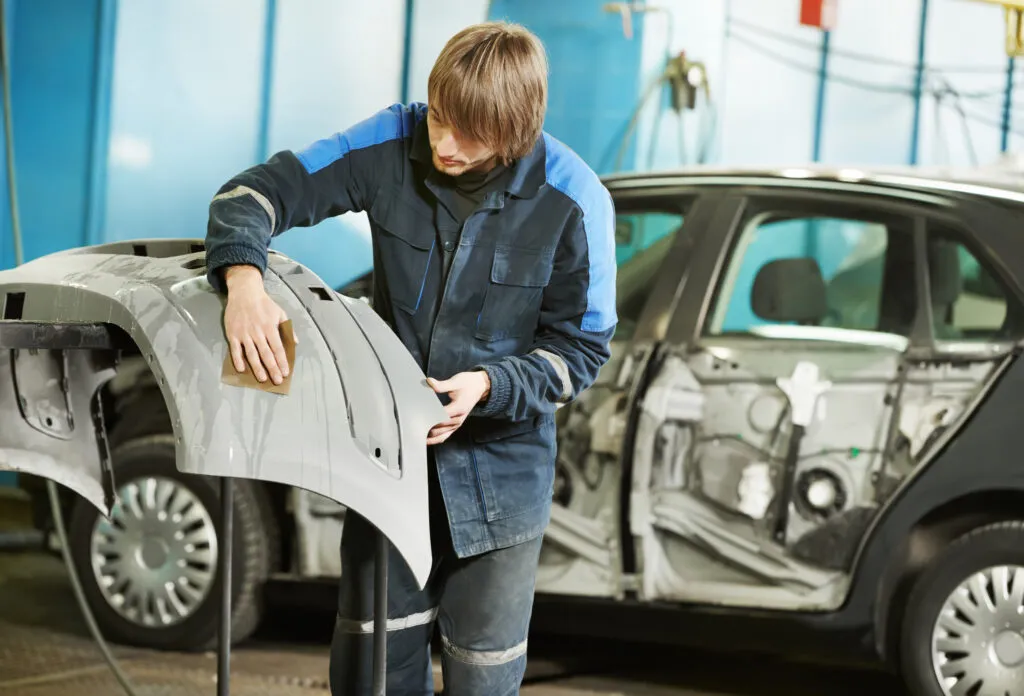
- Bumper repair and reconditioning. Scuffs, dents, cracks, paint chips, and chrome damage repaired at your location. This is one of the fastest-growing on-site fleet services because bumper damage is so common and body shop visits are so disruptive.
- Paintless dent repair (PDR). Small dents on body panels and doors removed without repainting.
- Windshield repair and replacement. Chips and cracks addressed on-site.
- Tire services. Rotation, replacement, and pressure checks done at the fleet yard.
- Detailing and interior cleaning. Fleet vehicles cleaned in place between assignments.
What ties all of these together: the work can be done in a parking lot with portable equipment. No lift. No bay. No shop.
Why On-Site Service Reduces Total Maintenance Cost
The repair bill itself is usually lower with on-site service. But the real savings come from everything you stop paying for when the vehicle doesn’t leave your lot:
- No transport time. Nobody drives the vehicle to the shop and arranges a ride back.
- No downtime. The vehicle stays in service or is returned to service the same day.
- No rental replacements. If the vehicle stays on-site, you don’t need a substitute.
- Simplified scheduling. Recurring route service means repairs happen on a set day, not when you can squeeze in an appointment.
- Consolidated invoicing. One vendor, one invoice, one relationship to manage.
For fleet bumper repair specifically, these savings are substantial. A fleet of 40 vehicles that averages 3 bumper repairs per vehicle per year could save $15,000–$30,000 annually by switching from body shop visits to scheduled on-site mobile bumper repair.
How Recurring On-Site Service Works
The most effective on-site maintenance programs operate on a recurring schedule, typically weekly or biweekly. Here’s what a typical cycle looks like for fleet bumper repair:
- Setup. You contact an on-site service provider and establish your fleet’s location, vehicle count, and common damage types. For bumper repair, companies like Bumper Man assign a dedicated franchisee to your territory.
- Scheduling. You agree on a route day. The technician visits on the same day each week. No appointment calls. No scheduling conflicts.
- Service day. The technician arrives, walks your fleet yard, photographs new damage, and completes approved repairs on-site. Most bumper repairs take 1–2 hours per vehicle.
- Invoicing. Completed work is invoiced centrally, not per visit, but on a consolidated schedule that simplifies your accounting.
- Ongoing. The cycle repeats. New damage gets caught early, before it accumulates or worsens.
How to Evaluate an On-Site Fleet Maintenance Provider
Not all on-site providers are equal. When evaluating a potential vendor, fleet managers should assess:
- Service consistency. Does the same technician visit each time? Consistency produces better results and fewer quality issues.
- Scheduling reliability. Do they show up on route day, on time? Fleet operations depend on predictability.
- Scope of repair. Can they handle the full range of damage types your fleet encounters? For bumpers, that means painted, chrome, plastic, composite, and textured repairs.
- Transparency about limits. A good provider tells you when damage is beyond repair and recommends replacement. If they try to repair everything, they’re cutting corners.
- Insurance and liability. On-site work happens at your facility. The provider should carry appropriate coverage.
- References from similar fleets. Ask for contacts at companies with a similar fleet size and vehicle mix.
When On-Site Service Isn’t the Right Fit
There’s a limit to what you can fix in a parking lot. Bumper reconditioning, dent repair, windshield chips, and detailing all work great on-site. But if a vehicle needs major mechanical work, structural collision repair, or diagnostic equipment that lives on a shop floor, it still needs a shop.
Most fleet managers end up running a split approach: cosmetic and routine work happens on-site to minimize downtime, and everything else goes to a facility. That’s not a compromise. That’s just the right tool for the right job.
Getting Started
If you haven’t tried on-site bumper repair for your fleet, start small. Walk your lot tomorrow and count how many vehicles have active bumper damage right now. That number is probably higher than you think. Then call a mobile bumper repair provider and ask them to come out for a trial day.
Bumper Man provides on-site fleet bumper repair across 42 states through a franchise network. Find your local franchisee at bumperman.com/find-a-bumper-man.
Frequently Asked Questions
Q: What types of fleet vehicles can be serviced on-site?
On-site bumper repair works on all fleet vehicle types including delivery vans, service trucks, company sedans, SUVs, box trucks, and rental vehicles. The technician works at your facility, regardless of vehicle size.
Q: How often should fleet vehicles receive on-site bumper repair?
Most fleets benefit from weekly or biweekly scheduled service. This catches new damage early before it worsens or accumulates, and keeps vehicles in presentable condition at all times.
Q: Is on-site bumper repair less expensive than a body shop?
Yes. On-site repair typically costs less than one-third of a full body shop bumper replacement. The additional savings from eliminated downtime, transport, and rental costs make the total cost difference even larger.
Q: Can on-site technicians repair chrome and textured bumpers?
Yes. Qualified mobile technicians handle painted, chrome, plastic, composite, and textured bumper repairs. Textured bumpers can be retextured to match the original OEM finish.
Q: What happens if damage is too severe for on-site repair?
A reputable on-site technician will tell you upfront if damage exceeds repair limits. In those cases, they’ll recommend replacement and may refer you to a body shop for structural work.