
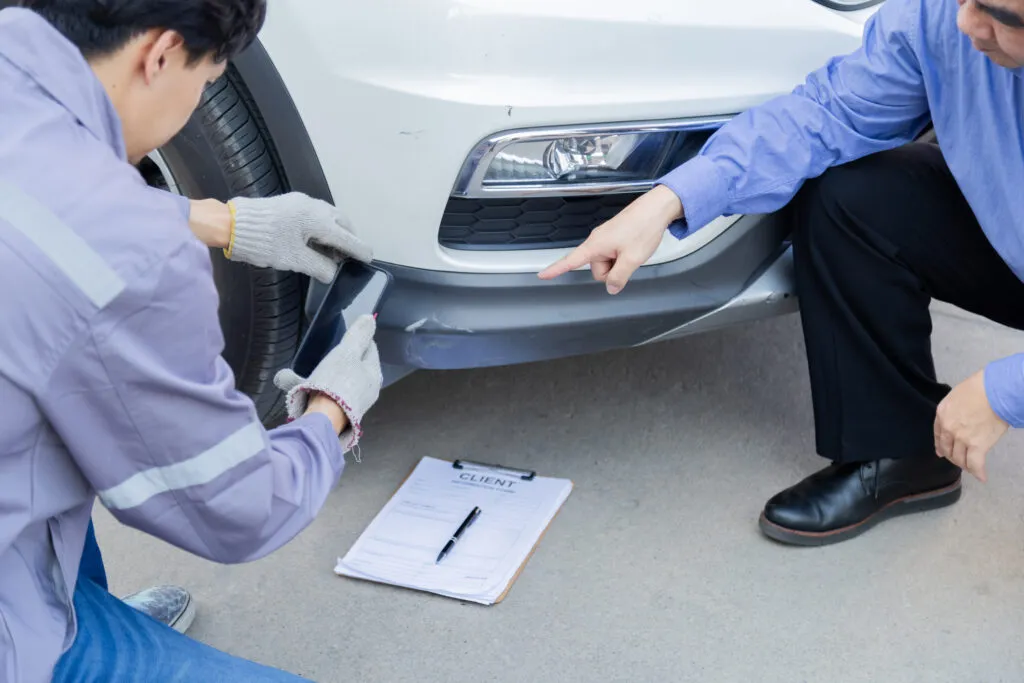
How to Set Up a Weekly Bumper Repair Route at Your Dealership
If you manage reconditioning at an auto dealership, you already know that bumper damage is constant. Vehicles arrive from trade-ins with scuffs and scrapes. New inventory picks up lot damage sitting in the sun. Fleet returns show up with wear that needs to be corrected before any vehicle can move to retail. The question is never whether bumper repair needs to happen. The question is whether you have a system for it or whether you are reacting to it one vehicle at a time.
Reacting costs more. Every unplanned body shop trip means days off the lot, transport costs, rental coverage, and an invoice that could have been a fraction of the price if the damage had been caught and handled on-site before it got worse.
Setting up a weekly bumper repair route with a local Bumper Man franchisee replaces the reactive model with something predictable. The same technician comes on the same day each week, works through whatever needs attention, and leaves your inventory in better condition than it arrived. This article walks through exactly how to get that set up, what to expect at each stage, and what dealerships typically find once the routine is running.
Step 1: Find Your Local Franchisee
Start at bumperman.com/find-a-bumper-man/ and search by state, city, or zip code. The locator will show you which Bumper Man franchisee covers your area and how to reach them. If your location does not yet have coverage, call 877-724-8306 and the main office will help you confirm options.
When you make first contact, you do not need to have everything figured out. A general description of your dealership, approximate weekly reconditioning volume, and the most common types of damage you see will give the franchisee enough to have a useful first conversation with you.
Step 2: Walk the Lot Together
Before any schedule is set, most franchisees will do a walk of your lot in person. This is not just a formality. It gives the technician a realistic picture of your typical damage patterns, the volume of work, and any specific materials that show up regularly in your inventory, whether that is chrome bumpers on older trucks, textured bumpers on commercial vehicles, or painted plastic across your retail units.
This is also the conversation where you clarify what show-ready means at your dealership. Standards vary considerably. Some dealers want every visible scuff addressed before a vehicle goes to the front line. Others focus on front and rear bumpers on retail units and accept minor wear on trade-ins sitting in the back. Being specific during this walkthrough makes every future visit more efficient because the technician already knows what the target looks like.
Bring your reconditioning manager or whoever runs the day-to-day lot operations to this meeting. Their input on workflow and priorities shapes how the route gets structured.
Step 3: Agree on a Day and Schedule
After the walkthrough, you and the franchisee agree on a route day. Most dealerships choose the same day each week so the repair schedule aligns naturally with how inventory moves. High-volume dealerships sometimes set two visits per week. Smaller operations may start with every other week and add frequency as they see the benefit.
The franchisee adds your dealership to their regular route. Once that is set, you do not need to call them each time a repair comes up. The visit happens on schedule, and the technician works through whatever needs attention that day. The difference from the reactive model is significant. Instead of chasing repairs, you have a window each week where the damage gets handled automatically.
If your reconditioning schedule has a natural rhythm, tell the franchisee. If Wednesdays are when your trade-ins get processed and you tend to have the most work queued up by Thursday, scheduling the route visit on Thursday makes sense. The more the route aligns with your actual inventory flow, the more efficient each visit becomes.
Step 4: First Visit and Quality Review
The first scheduled visit is when you see the work in person and evaluate whether the results meet your standards. Walk through the completed repairs with the franchisee after they finish. Look at the finish quality, the color match on painted bumpers, and the overall result against the condition on arrival.
If something does not meet your standard, say so during this visit. A professional franchisee will want that feedback. This is also when you get a realistic read on what is and is not achievable on-site. Some damage that looks repairable from a distance turns out to require body shop work once the technician gets a close look. Getting clarity on those cases during the first visit means your team knows exactly how to route vehicles going forward.
Most dealerships find that after two or three visits, the process runs without much involvement from management. The technician knows the lot, knows the standards, and handles the work independently during their scheduled window.
Step 5: Invoicing and Ongoing Communication
After each visit, the franchisee provides an invoice for the work completed. Most send invoices digitally, and many dealerships incorporate this into their reconditioning cost tracking or directly into their DMS.
The invoicing model is straightforward: you pay per repair completed, not a flat retainer. That means your cost tracks directly with your damage volume, which makes it easy to see the per-unit reconditioning cost and compare it against what the same work would have cost through a body shop.
Communication between visits is minimal once the routine is established, but it matters when you have changes coming. If you are running a large auction consignment, hosting a dealer event that will bring in extra inventory, or expecting a slower week, let the franchisee know in advance. That kind of heads-up lets them plan time and resources accordingly.
What Changes Once the Routine Is Running
Dealerships that run consistent weekly route service consistently report the same outcomes. Inventory condition improves because small damage is caught and handled before it worsens or accumulates across multiple vehicles. Per-unit reconditioning costs drop because body shop trips become the exception rather than the standard approach for bumper work. And reconditioning cycle time shortens because on-site repairs do not pull a vehicle off the lot for three to five days.
There is also a less obvious benefit that shows up over time. When the technician visits every week, they get to know your operation. They learn which vehicles are high priority, which damage types are most common on your trades, and where your standards are drawn. That familiarity makes each visit more efficient, and it means problems get spotted and flagged earlier rather than after they have had time to compound.
Talking to Your Reconditioning Team About Chrome
One of the more practical aspects of managing chrome bumper vehicles is making sure your reconditioning team knows how to identify them quickly and flag them for proper assessment before routing decisions are made. Chrome is visually obvious, but in a busy lane where vehicles are moving fast, it is easy for a damaged chrome bumper to get grouped with general bumper repair work without anyone stopping to assess whether it is a repair candidate or a replacement.
A simple flag in your reconditioning process, whether that is a tag on the vehicle or a note in your DMS, that indicates chrome bumper damaged prevents that error. It routes the vehicle to assessment first rather than straight to the repair queue.
Most reconditioning managers who work with a Bumper Man franchisee on a regular basis find that after a few visits, the technician handles this assessment as part of the weekly walkthrough. They get a look at the chrome bumper vehicles first, give a quick read on each one, and the reconditioning team routes from there. That kind of integrated process takes a few weeks to develop but runs smoothly once it is established.
The Bigger Picture for Chrome Bumper Vehicles
Chrome bumper vehicles are often higher-value units. Older trucks in good shape, classic vehicles, and specialty commercial units with factory chrome tend to sit in a different price range than standard retail inventory. A scuffed or pitted chrome bumper on a vehicle in that category is a visible deduction from perceived value, and buyers in that market tend to notice.
Addressing repairable chrome damage on-site before the vehicle goes to the front line is one of the simplest ways to protect the retail price. The repair cost is a small fraction of what a price reduction to account for the bumper condition would cost, and a vehicle presented with clean chrome reads as better maintained regardless of other factors.
Frequently Asked Questions
Q: How quickly can a weekly route start after we agree on a schedule?
In most cases, service can begin as soon as the franchisee confirms your location fits their territory and route. Many dealerships are running within one to two weeks of the initial conversation. Timing varies by area.
Q: What if the franchisee cannot make it on our usual day?
Most franchisees communicate any schedule changes in advance and reschedule to the closest available day. Because the work is on-site and does not require vehicle transport, rescheduling is simple and does not disrupt your inventory.
Q: Can we add more vehicles to a visit if we have a heavy week?
Yes, within reason. Give the franchisee advance notice when you are expecting more volume than usual. They can plan accordingly or, if needed, schedule an additional visit that week.
Q: Does Bumper Man handle all bumper types, or just painted plastic?
Bumper Man franchisees repair painted, chrome, plastic, composite, and textured bumpers. If your inventory regularly includes trucks with chrome bumpers or vehicles with textured rear bumpers, confirm this with your franchisee before the first visit so they arrive prepared.
Q: What if a piece of damage cannot be repaired on-site?
The franchisee will tell you upfront. Structural damage, bumpers that need full replacement, and damage beyond safe repair limits are identified clearly so you can route the vehicle to a body shop with accurate information about what is needed.