
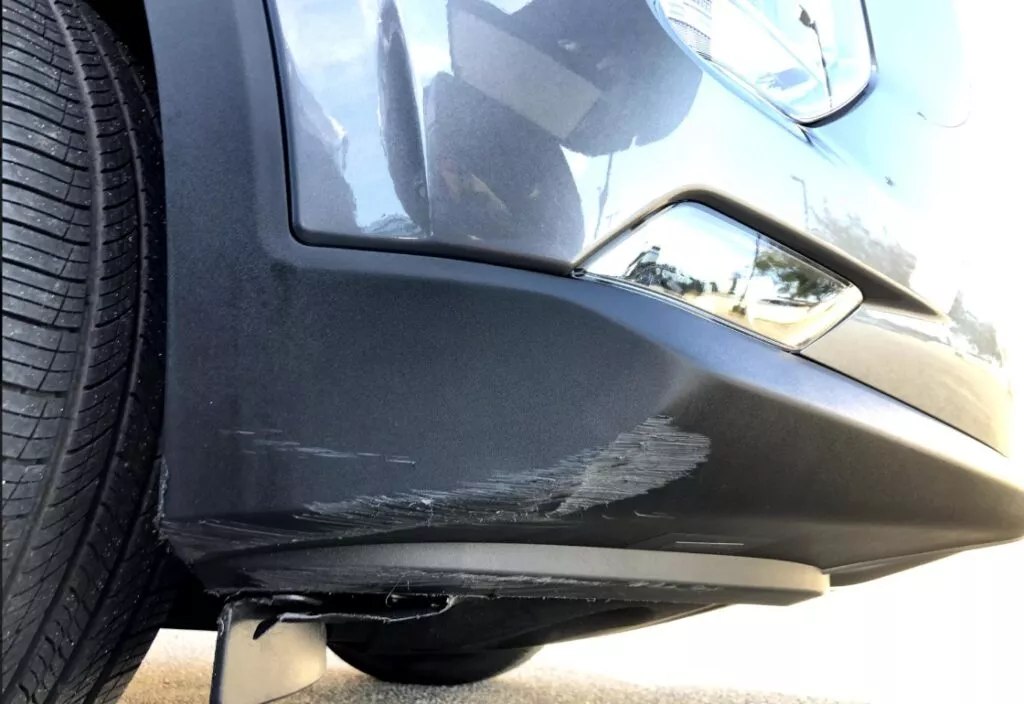
Learn about the most common types of bumper damage — from surface scuffs and paint chips to cracks and structural splits — and how each one is professionally repaired. Bumper Man fixes all bumper types on-site.
Types of Bumper Damage and How Each One Is Repaired
Your bumper takes more abuse than almost any other part of your vehicle. It absorbs impacts in parking lots, collects scrapes at drive-throughs, and suffers road debris on the highway. Not all bumper damage looks the same, and more importantly, not all bumper damage is repaired the same way.
Understanding the type of damage you’re dealing with helps you make smarter decisions about repair versus replacement, cost expectations, and whether an on-site mobile repair is an option. Bumper Man specializes in mobile bumper repair for all damage types, coming directly to your location and handling the repair on the spot.
This guide covers the most common types of bumper damage, what causes them, and the professional repair process used to fix each one.
Bumper Damage Quick Reference
The table below summarizes the damage types covered in this guide, their typical causes, and the repair approach used by professional technicians.
| Damage Type | Typical Cause | Repair Method | Complexity |
| Surface Scuffs | Parking lot contact | Polish and touch-up refinish | Low |
| Paint Transfer | Contact with painted surface | Chemical removal and refinish | Low |
| Paint Chips | Road debris, gravel | Spot filler and color-match paint | Low to Medium |
| Hairline Cracks | Minor impact or flex stress | Plastic weld and flexible filler | Medium |
| Deep Cracks / Splits | Moderate to hard impact | Structural plastic weld and refinish | Medium to High |
| Dents | Impact with object or vehicle | Heat reshaping or filler and refinish | Medium |
| Paint Fading / Oxidation | UV exposure over time | Sand, prime, and respray | Medium |
| Structural Damage | Significant collision force | Replacement recommended | High |
| Chrome Damage | Impact, corrosion, or scratching | Polish, re-chrome, or replacement | Medium to High |
1. Surface Scuffs and Paint Transfer
What It Is
Surface scuffs occur when your bumper makes light contact with another surface, removing or abrading a thin layer of paint without penetrating to the plastic beneath. Paint transfer happens when that contact also deposits paint from the other surface onto your bumper.
Common Causes
- Parking lot contact with other vehicles or shopping carts
- Brushing against a wall, post, or curb at low speed
- Drive-through or garage clearance issues
How It Is Repaired
For paint transfer, a technician applies a chemical paint transfer remover and works the compound in with a polishing pad to dissolve the foreign paint without harming the underlying surface. For scuffs that have removed paint, a light spot refinish restores the color and gloss.
Most surface scuff repairs are completed in under an hour on-site. A Bumper Man technician can handle this repair at your home, office, or dealership lot.
2. Paint Chips
What It Is
Paint chips are small losses of paint and sometimes primer caused by road debris striking the bumper at speed. They expose the bare plastic or substrate beneath and, if left untreated, can lead to staining, moisture intrusion, and more noticeable deterioration over time.
Common Causes
- Gravel and road debris kicked up at highway speed
- Sand and small stones in winter road treatment
- Following closely behind trucks or on unpaved surfaces
How It Is Repaired
Small chips are treated with spot filler to rebuild the surface level, then primed and color-matched with factory paint codes. For bumpers with significant chip coverage across a panel, a partial or full bumper respray may be the more cost-effective solution.
3. Hairline Cracks
What It Is
Hairline cracks are thin, shallow cracks in the bumper surface that do not penetrate all the way through the material. They often appear after low-speed impacts or as a result of bumper flex under stress.
Common Causes
- Low-speed parking impacts
- Cold weather, which makes plastic more brittle and prone to cracking
- Repeated minor flexing around mounting points
How It Is Repaired
Hairline cracks are repaired using plastic welding techniques. The technician applies heat to fuse the crack and reinforce the repair from behind with a backing patch or adhesive. Flexible filler is then applied to the surface, sanded smooth, primed, and refinished with color-matched paint.
The key with hairline crack repair is using flexible filler and paint products designed for bumper plastics. Rigid body filler or standard automotive paint will re-crack over time as the bumper flexes, so professional-grade materials make a meaningful difference in the longevity of the repair.
4. Deep Cracks and Splits
What It Is
Deep cracks penetrate through the bumper material. A split is a full separation of the bumper along a crack line. Both are more serious than hairline cracking and require structural repair before cosmetic refinishing.
Common Causes
- Moderate-speed collisions with posts, curbs, or other vehicles
- Backing into obstacles at angles that stress the corner or mounting area
- Pre-existing hairline cracks that were not repaired and propagated over time
How It Is Repaired
Deep cracks require a two-stage approach. First, the technician stabilizes the crack from the inside using plastic welding rod and a heat gun, essentially fusing the material back together with a reinforcing weld. On the exterior surface, flexible filler builds the shape back up, followed by sanding, priming, and color-matched refinishing.
For splits where sections of the bumper have separated significantly, structural adhesive may be used in combination with welding. In cases where the structural integrity cannot be fully restored, bumper replacement is recommended. Learn more about bumper repair and replacement services from Bumper Man.
5. Dents
What It Is
Bumper dents are deformations in the bumper shell caused by impact. Unlike metal panels, plastic and composite bumpers have some memory and may partially self-correct with heat, but most dents require professional reshaping and finishing.
Common Causes
- Low to moderate speed collisions with other vehicles
- Impact with fixed objects like bollards, posts, or curbs
- Rear-end contact in stop-and-go traffic
How It Is Repaired
For plastic bumpers, heat is often used to soften the material and allow the technician to reshape it back toward the original contour. Where the material has been stretched or torn, filler work is required to rebuild the surface. The repair is then sanded, primed, and refinished with color-matched paint.
Composite and fiberglass bumpers require filler-based repair rather than heat reshaping, as these materials do not respond to thermal manipulation the same way thermoplastics do.
6. Paint Fading and Oxidation
What It Is
Paint fading and oxidation produce a chalky, dull appearance on the bumper surface, most often seen on older vehicles or those that have been stored outdoors without regular care. The clear coat breaks down from UV exposure, leaving the paint beneath unprotected.
Common Causes
- Extended UV exposure without protective waxing or coating
- Parking outdoors in hot, sunny climates over several years
- Neglected clear coat that has begun to peel
How It Is Repaired
Mild oxidation can sometimes be addressed with machine polishing and a fresh coat of protective sealant. More advanced cases require sanding back the degraded paint and clear coat, applying fresh primer, and respraying the bumper with factory color-matched paint and clear coat.
7. Structural Damage and Full Bumper Replacement
What It Is
Structural bumper damage occurs when an impact compromises the bumper’s ability to perform its primary function: protecting the vehicle and its occupants in a collision. The plastic shell, bumper reinforcement bar, or energy-absorbing foam behind the cover may all be involved.
When Replacement Is Necessary
- The bumper shell is severely deformed and cannot be reshaped
- The reinforcement bar behind the cover is bent or cracked
- The foam impact absorber has been crushed and no longer provides protection
- Repair costs approach or exceed the cost of a new bumper
- The damage affects vehicle safety systems such as parking sensors or cameras
How It Is Handled
When replacement is the right call, Bumper Man technicians can source and install replacement bumper covers and hardware. The new cover is color-matched and painted to the vehicle’s factory specifications before installation, so the finished result integrates seamlessly with the rest of the vehicle. See the full range of bumper repair and replacement services available through the Bumper Man network.
8. Chrome Bumper Damage
What It Is
Chrome bumpers, common on classic vehicles and some modern trucks, are susceptible to a distinct set of damage types including pitting, rust spots, peeling chrome, and surface scratching.
Common Causes
- Road salt and moisture exposure causing rust underneath the chrome layer
- Impact damage that chips or cracks the chrome plating
- Abrasive cleaning products that scratch the surface
How It Is Repaired
Minor surface scratches on chrome can sometimes be addressed with chrome polish and light buffing. Pitting and rust spots require more involved treatment, including rust removal, surface preparation, and in many cases re-chroming or replacement. Chrome bumper repair is a specialized service that Bumper Man technicians are trained to handle.
How to Tell Repairable Damage from Replacement Damage
One of the most common questions bumper technicians hear is: can this be fixed, or does the whole bumper need to go? The answer depends on three factors: the depth of the damage, the structural integrity of the bumper, and whether the mounting hardware is still intact.
Damage that is limited to the outer cover, including scuffs, paint chips, hairline cracks, shallow dents, and surface oxidation, is almost always repairable on-site. A trained technician can restore the surface, match the factory color, and return the vehicle the same day. These repairs typically cost a fraction of a full replacement, and the results are not visible once complete. You can see examples of completed repairs in the Bumper Man Repair Gallery.
Damage moves into replacement territory when the bumper cover is severely deformed and cannot be reshaped, when the reinforcement bar behind the cover is bent or broken, or when the foam energy absorber has been crushed. At that point, the bumper can no longer perform its safety function, and repair is not appropriate.
A useful rule of thumb: if the bumper still sits in its correct position, the mounting tabs are intact, and the damage is contained to the outer surface, repair is the right path. If the bumper is hanging, misaligned, or visibly collapsed inward, replacement is likely needed. When in doubt, a Bumper Man technician can assess the damage on-site and give a clear recommendation before any work begins.
For chrome bumpers specifically, the repair-versus-replace decision involves additional factors around the chrome layer. See our full guide on chrome bumper repair vs. replacement for dealerships.
Dealerships and fleet operators who want a consistent process for making this call on-site can also reference our guide on how to set up a weekly bumper repair route.
Frequently Asked Questions About Bumper Damage and Repair
Q: What are the most common types of bumper damage?
The most common types of bumper damage are surface scuffs and paint transfer, hairline cracks, deep cracks or splits, dents, paint chips, fading or oxidation, and full structural damage requiring replacement. Each type has a specific repair method depending on the material and severity.
Q: Can a cracked plastic bumper be repaired without replacement?
Yes. Many plastic bumper cracks can be repaired using plastic welding techniques and flexible filler, then refinished with color-matched paint. Replacement is typically only necessary when the structural integrity of the bumper is severely compromised or when the repair cost approaches the cost of a new bumper cover.
Q: How do you fix paint transfer on a bumper?
Paint transfer is removed using a chemical paint transfer remover, light polishing compound, and touch-up refinishing if the underlying surface was scratched. A mobile bumper repair technician can complete this process on-site in most cases within under an hour.
Q: Is it better to repair or replace a bumper?
Repair is almost always the more cost-effective option for damage that does not affect structural integrity. Surface scuffs, minor cracks, dents, and paint damage are all repairable. Replacement is recommended when the bumper has sustained major structural damage, or when repair costs approach or exceed replacement costs.
Q: How long does a mobile bumper repair take?
Most mobile bumper repairs are completed within one to two hours on-site. The technician comes to your location, performs the repair, and in most cases the vehicle is ready to drive the same day. Find a Bumper Man near you to get a repair scheduled.
Q: How long does it take to fix a cracked bumper?
Most cracked bumper repairs are completed in one to two hours on-site. Hairline cracks on the outer cover are the fastest to address, typically taking under an hour. Deep cracks or splits that require structural plastic welding from the inside may take up to two hours depending on the length of the crack and the finishing work required. In most cases the vehicle is ready to drive the same day.
Q: Can a bumper be repaired without repainting?
It depends on the type of damage. Surface scuffs, paint transfer, and minor paint chips can often be addressed with spot refinishing that blends into the surrounding area without a full repaint. Cracks, deep dents, and damage that breaks through the paint layer will require color-matched refinishing over the repaired area. Bumper Man technicians use factory paint codes to match the vehicle’s original color, so the repaired section integrates with the rest of the bumper.
Get Your Bumper Repaired On-Site, On Your Schedule
Whatever type of bumper damage you are dealing with, Bumper Man has a solution. Our certified technicians come to you and restore your bumper using professional-grade materials and color-matched finishes.